Data Analytics and Cybersecurity: How Accountants Are Powering Predictive Insights Protecting Client Data

The accounting world isn't what it used to be. Gone are the days when accountants just crunched numbers and filed reports. Today's accounting professionals are becoming data detectives, using sophisticated analytics to predict financial trends and guide strategic decisions. But with great data power comes great security responsibility.
We're not just keeping your books anymore – we're helping you see around corners. This shift toward predictive analytics is transforming how businesses make financial decisions, but it's also creating new challenges around protecting sensitive client information.
The Data Analytics Revolution in Accounting
The numbers tell the story. The global predictive analytics market jumped from $7.32 billion in 2019 to a projected $35.45 billion by 2027. That's not just growth – that's an explosion. And accounting firms are riding this wave, using data analytics to offer clients insights that go way beyond traditional financial reporting.
Think about it this way: traditional accounting looks backward. It tells you what happened last quarter, last year, or last month. Predictive analytics looks forward. It uses historical data, current trends, and statistical models to forecast what might happen next quarter, next year, or even next decade.
This shift is huge for small and medium-sized businesses. Instead of just getting their tax returns filed, they're getting strategic guidance that can literally make or break their next big decision. Whether it's determining the right time to expand, predicting cash flow challenges, or identifying which customers are most likely to pay late, data analytics is giving business owners superpowers they never had before.
From Reactive to Predictive: Real Applications
Let's get practical. How exactly are accountants using data analytics to provide these predictive insights? The applications are broader than you might think.
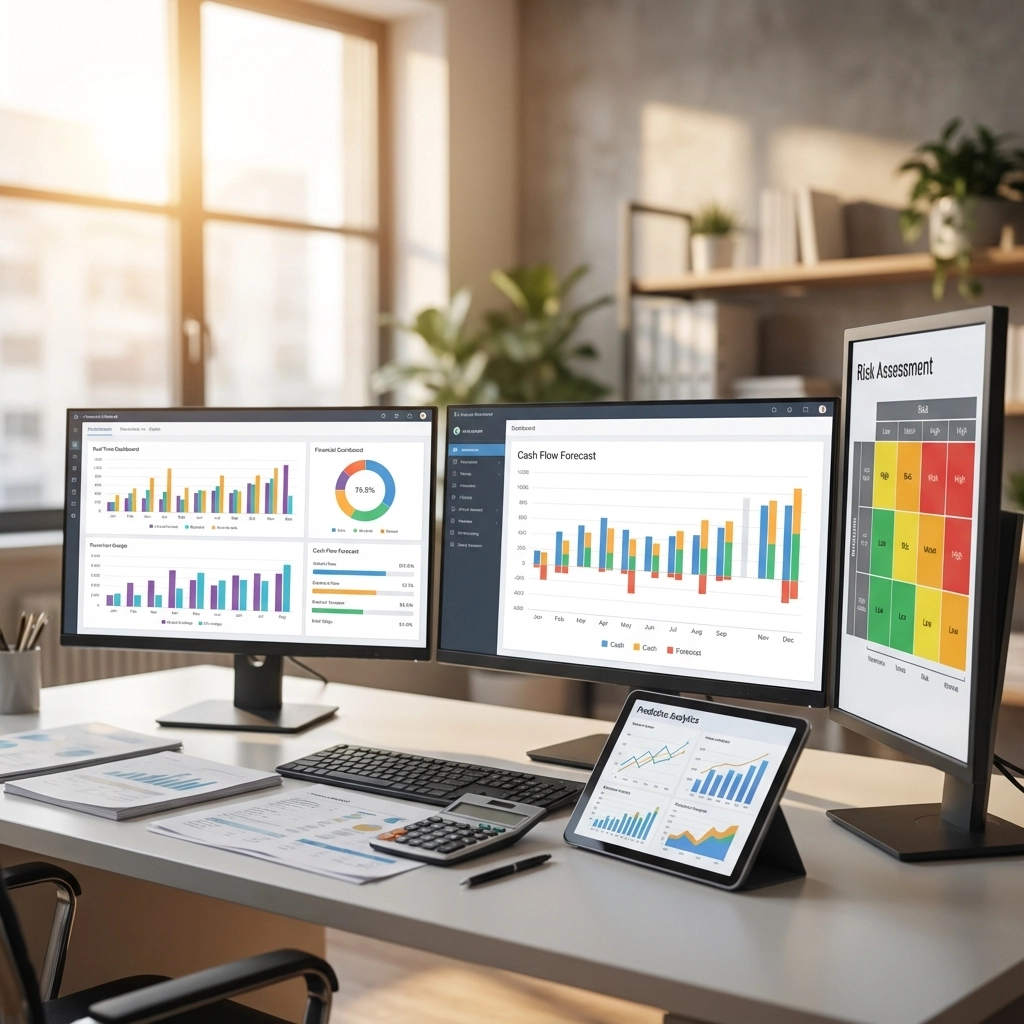
Cash Flow Forecasting: Instead of waiting for a cash crunch to hit, predictive models can identify potential shortfalls months in advance. By analyzing payment patterns, seasonal trends, and economic indicators, accountants can help businesses prepare for lean periods or capitalize on cash-rich opportunities.
Customer Risk Assessment: Who's going to pay on time? Who might default? Predictive analytics can score customers based on payment history, industry trends, and external factors. This helps businesses make smarter decisions about credit terms and collection strategies.
Expense Management: Predictive models can identify spending patterns and flag unusual expenses before they become budget-busters. They can also forecast future expense needs based on business growth projections and market conditions.
Investment Planning: Should a company invest in new equipment? Expand to a new location? Hire additional staff? Data analytics can model different scenarios and predict the financial impact of these decisions.
The Cybersecurity Challenge: Protecting What Matters Most
Here's where things get complicated. All this data analytics power comes with a price: increased cybersecurity risk. The more data you collect, analyze, and store, the more attractive you become to cybercriminals. And when that data includes sensitive financial information, tax records, and business strategies, the stakes couldn't be higher.
Accounting firms are sitting on goldmines of sensitive information. Client financial statements, tax returns, payroll data, bank account information – it's all there, often in cloud-based systems that can be accessed from anywhere. This digital convenience is also a digital vulnerability.
The statistics are sobering. Cyberattacks on accounting firms have increased by over 300% in recent years. And it's not just large firms getting hit – small and medium-sized practices are often seen as easier targets because they typically have less robust security measures in place.

But here's the thing: cybersecurity isn't just an IT problem. It's a business survival issue. A single data breach can destroy client trust, result in massive legal liabilities, and potentially put a firm out of business. The average cost of a data breach in the financial sector now exceeds $6 million, and that doesn't include the long-term damage to reputation and client relationships.
Building a Secure Data Analytics Framework
So how do accounting firms balance the need for powerful data analytics with the imperative to protect client information? It starts with building security into every aspect of the data analytics process.
Data Encryption: Everything should be encrypted – data at rest, data in transit, and data in use. This means that even if cybercriminals gain access to your systems, the data they steal will be useless without the encryption keys.
Access Controls: Not everyone needs access to everything. Implement role-based access controls that limit employees to only the data they need for their specific functions. And make sure access is regularly reviewed and updated as roles change.
Multi-Factor Authentication: Passwords aren't enough anymore. Multi-factor authentication adds additional layers of security that make it much harder for unauthorized users to access systems, even if they have valid credentials.
Regular Security Training: The human element is often the weakest link in cybersecurity. Regular training helps employees recognize phishing attempts, social engineering attacks, and other common threats.
Data Backup and Recovery: When (not if) something goes wrong, you need to be able to recover quickly. Regular backups, tested recovery procedures, and business continuity planning are essential components of any cybersecurity strategy.
For accounting firms, cybersecurity isn't just about protecting data – it's about meeting regulatory requirements. Depending on your clients and services, you might need to comply with standards like SOX, HIPAA, PCI DSS, or state-specific data protection laws.
These compliance requirements are getting stricter, not looser. California's Consumer Privacy Act (CCPA) and the European Union's General Data Protection Regulation (GDPR) are setting new standards for how businesses must protect personal information. Even if your firm isn't directly subject to these regulations, your clients might be, and they're looking to you for guidance on compliance.
Best Practices for Implementation
Successfully implementing secure data analytics requires a systematic approach. Here are the key steps:
Start with a Security Assessment: Before implementing new analytics tools or expanding data collection, conduct a thorough security assessment. Identify potential vulnerabilities and develop strategies to address them.
Choose the Right Tools: Not all analytics platforms are created equal when it comes to security. Look for solutions that offer built-in security features, regular security updates, and strong vendor support for compliance requirements.
Develop Clear Policies: Create detailed policies governing data collection, storage, access, and disposal. Make sure all employees understand these policies and the consequences of not following them.
Monitor and Audit: Implement continuous monitoring systems that can detect unusual activity and potential security threats. Regular audits help ensure that security measures are working as intended and identify areas for improvement.

Plan for Incidents: Despite best efforts, security incidents can still occur. Having a well-tested incident response plan can minimize damage and help restore normal operations quickly.
Looking Forward
The future of accounting lies at the intersection of data analytics and cybersecurity. Firms that can master both will offer unprecedented value to their clients while maintaining the trust that's essential to the accounting profession. Those that can't will find themselves left behind in an increasingly competitive marketplace.
At GMC Consulting Group, LLC, we're committed to helping our clients navigate this new landscape. We're investing in the tools, training, and security measures needed to provide cutting-edge analytics while protecting the sensitive information our clients entrust to us.
The goal isn't just to keep up with change – it's to stay ahead of it. As technology continues to evolve, so too must our approach to both analytics and security. The firms that succeed will be those that view cybersecurity not as a cost center, but as an essential enabler of their data analytics capabilities.
The message is clear: in today's digital world, you can't have one without the other.
Powerful analytics and robust security aren't opposing forces – they're essential partners in delivering the kind of value that modern businesses demand from their accounting professionals.
Comments